











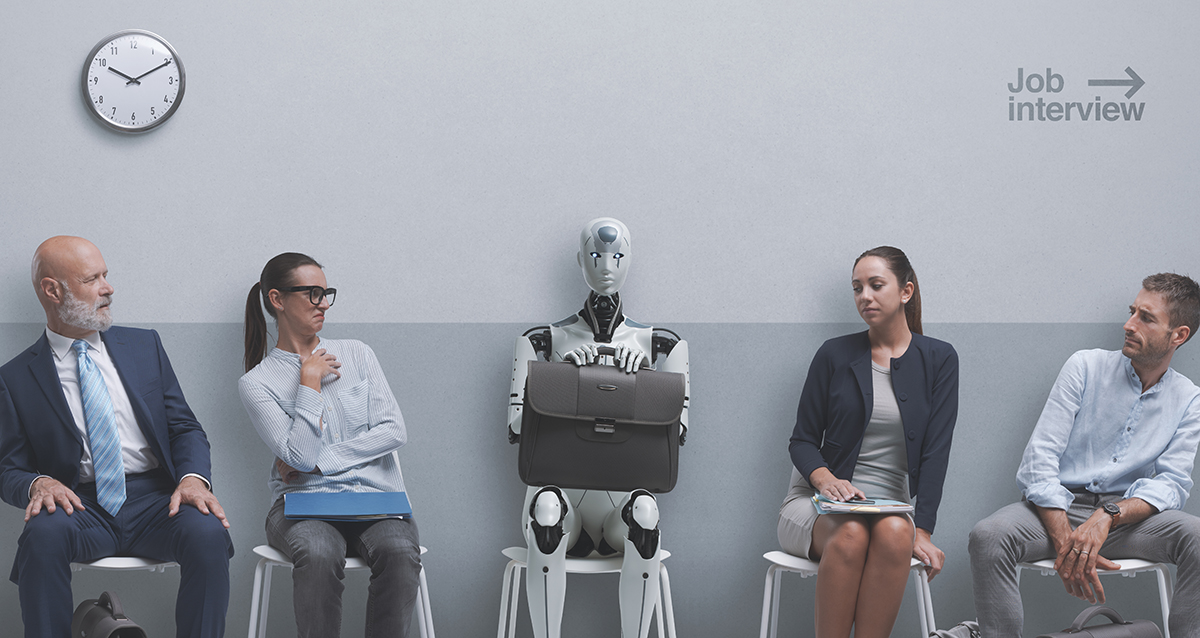
For all the talk of AI making work easier, faster, and more efficient, most employees seem to be watching the headlines with one eyebrow permanently raised. Warnings about automation quietly pushing humans aside have clearly sunk in. According to new research from Careerminds, a global workforce solutions provider that surveyed 3,005 workers, the overwhelming mood is simple: someone in Washington needs to put guardrails on this – fast.
Right now, workers only have a patchwork of state-level rules for reassurance. Illinois’ HB 3773, which took effect on January 1, 2026, requires employers to disclose when AI is used during hiring or employment decisions – helpful, yes, but hardly a national safety net. It’s no surprise, then, that 84% of New York workers say the federal government should step in with a law explicitly protecting employees from being replaced by AI.
And when asked what such a law should actually include, workers had clear priorities:
If a federal “AI Worker Bill of Rights” existed, which protection matters most?
- Human review of all major decisions (40%)
- Transparency about AI use (30%)
- Guaranteed retraining options (10%)
- Guaranteed compensation or notice before any AI-driven replacement (10%)
- Limits on AI surveillance, e.g., restrictions on employers using AI tools to constantly monitor workers’ activity, communications, or performance (10%)
Trust in employers
Despite the optimism tech companies tend to project, New York workers remain divided on whether their employers can be trusted to use AI responsibly, whether that means monitoring employee activity, evaluating performance without human oversight, or replacing roles without warning.
- 42% trust their employer somewhat
- 26% trust them a lot
- 10% trust them not much
- 22% don’t trust them at all
Government requirements & job security
A strong majority want obligations attached to any AI rollout that puts jobs at risk: 82% say companies should be required to offer retraining.
Many believe the shift may already be happening
In fact, 64% say they suspect AI has influenced a decision about their job – whether hiring, promotion, scheduling, or performance evaluation.
Comfort with AI monitoring
Employee surveillance remains a sore spot. AI employee surveillance refers to software that automatically tracks employees’ activity – such as screen time, keystrokes, or time spent on tasks – to monitor productivity:
- 30% are very comfortable
- 24% are somewhat comfortable
- 24% are uncomfortable
- 22% are very uncomfortable
Transparency is also non-negotiable: 84% say employers should be legally required to disclose any use of AI in hiring, promotions, or evaluations.
Biggest worries about AI at work
When it comes to anxieties that keep workers up at night, two concerns dominate:
- 32% fear being quietly replaced by AI
- 30% worry about AI monitoring every minute of their work
Trailing behind are:
- 26% worry AI could unfairly screen out their job application
- 12% are concerns about AI making decisions about performance reviews
Finally, when asked how vulnerable their job feels over the next five years, responses were sharply divided. 28% believe it’s very likely they will be replaced by AI, while another 14% think it’s somewhat likely. On the other side of the spectrum, 38% say it’s not very likely, and 20% are confident it’s not likely at all.
“Workers aren’t anti-technology; rather, they’re anti-uncertainty,” said Amanda Augustine, Certified Professional Career Coach and resident career expert for Careerminds. “Most people understand that AI is going to play a bigger role at work. What they really want is clarity about how it’s being used, some guardrails around the decisions that affect their careers, and a fair chance to reskill or retrain if their role starts to change. Right now, a lot of employees feel like the rules are still being written while they;re already living with the consequences.”