











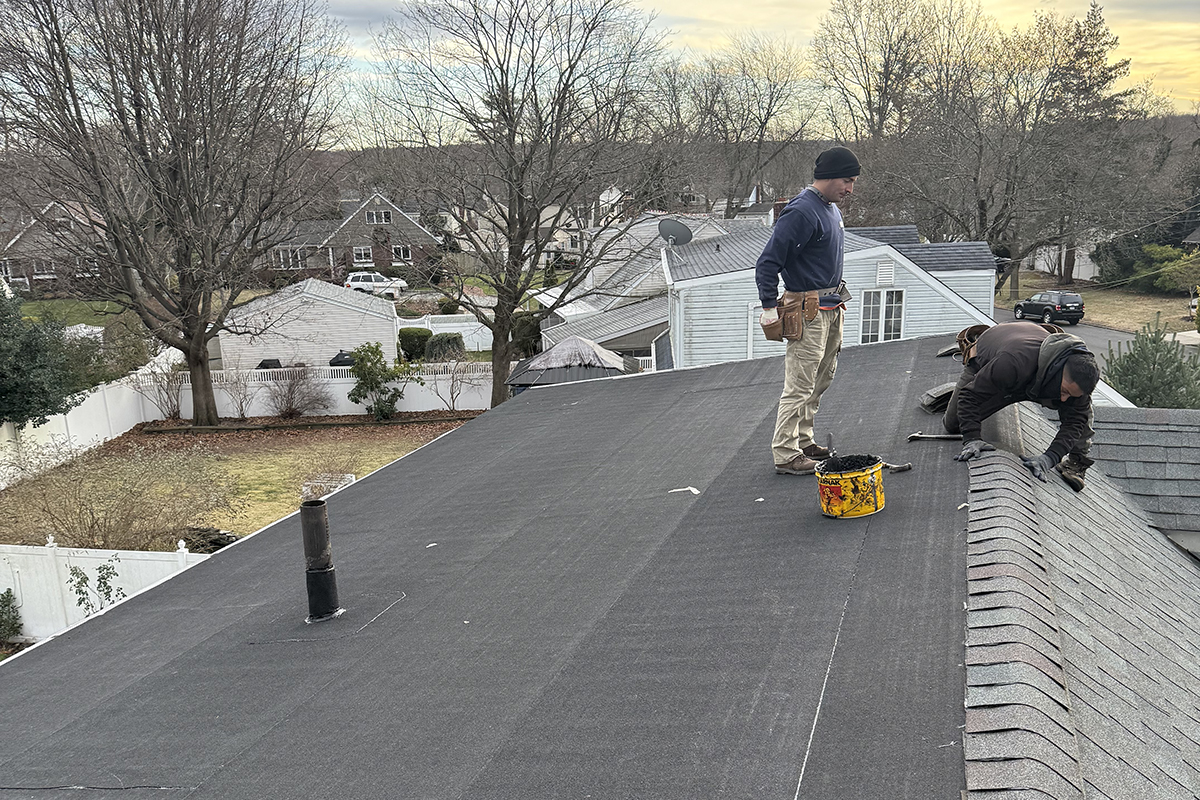
Not all houses are the same, but one thing they all have in common – thankfully – is that they all have roofs, especially if you’re not a fan of letting the elements into your domicile. But even then, not all roofs are made the same, either; most residential houses on Long Island boast a high slope roof, which is one with a pitch greater than 3:12, with gravity efficiently shedding water and snow.
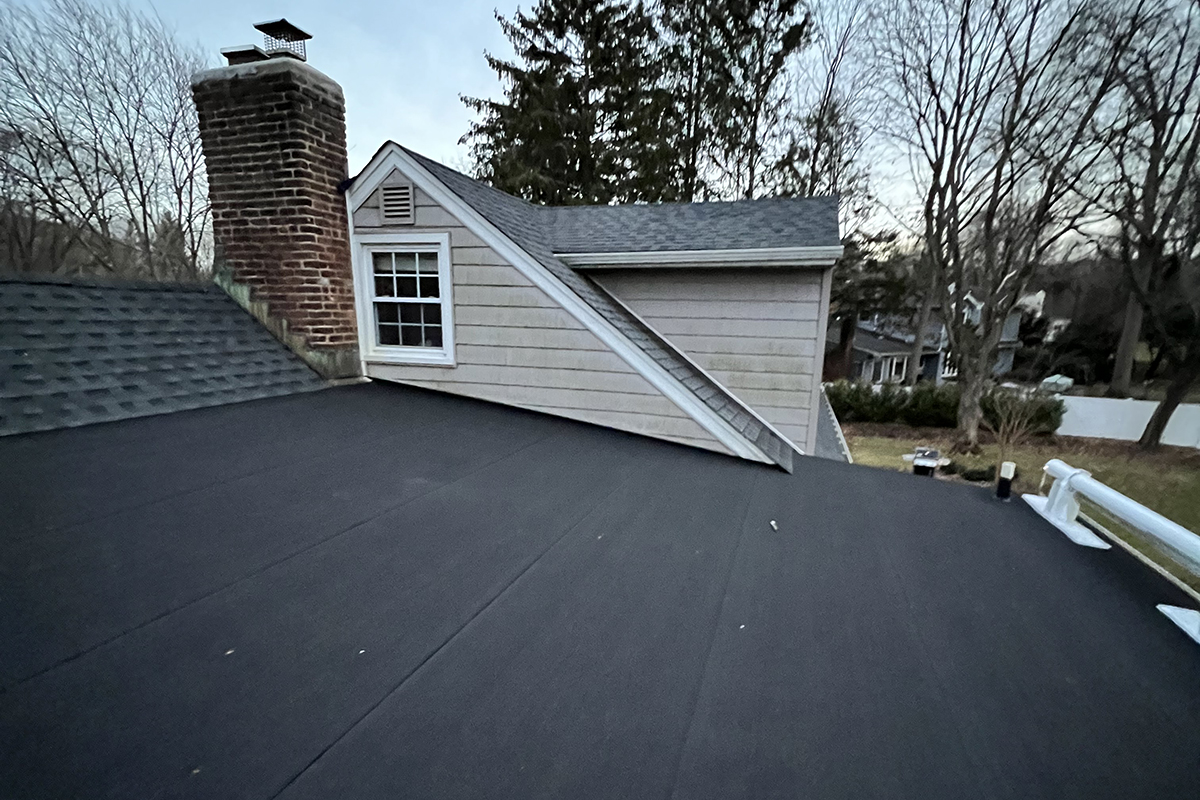
However, many commercial buildings on Long Island – and some homes – consist of low slope roofs, which are defined as having a pitch lesser than 3:12, all the down to zero, which would be completely flat. Low slope and flat roofing takes a special touch when it comes to installing and maintaining them, and there’s no company more expertly qualified to do so on our fair island than Clearview Roofing and Construction.
Clearview Roofing and Construction specializes in residential roofing, construction, restoration, and skylight installation and repair, and they’ve been steadfastly earning the sentiment behind their well-known tagline – “Trust Clearview” – since they first opened their doors for business in 1961.
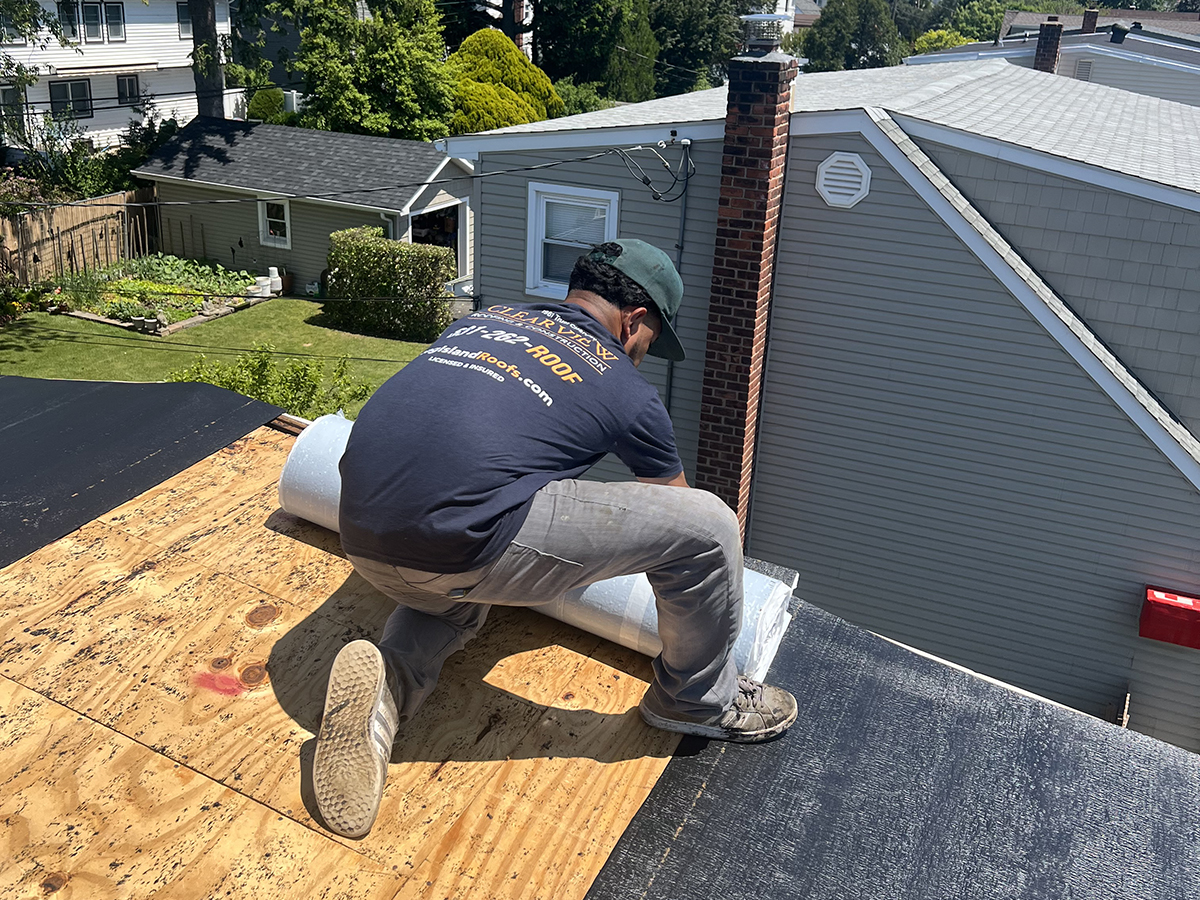
The company has offices in Port Washington, Huntington, Babylon and Rockville Centre, and services all of Nassau, Suffolk and Queens counties. And when it comes to residential or commercial low slope or flat roofing installation and repair, Clearview is the one and only choice, according to managing partner Chris Feniello.
“Flat Roofing is a roofing material that can be made of asphalt or rubber that would go on a flat roof or even a slope that is a low slope,” he said. “And what a low slope roof is, it’s a roof that’s not completely flat, but has a very small amount of taper, or what is known as pitch. The majority of commercial buildings are flat roofs, however.”
Knowing the differences between low and high slope roofing – and how to install the appropriate materials for each type to ensure maximum efficiency and longevity – is something that Clearview specializes in.
“For low slope residential roofs, one very common mistake is that contractors are putting shingles on them when they actually require flat roofing materials, even though they aren’t completely flat…many contractors and homeowners are usually unaware of this,” Feniello said. “Shingles work on a high slope roof because the angle is steeper and gravity would pull the water downward. But if you put shingles on a low slope roof, you have an issue with nails rusting because water is sitting in the architectural shingles. Eventually, that will rust out the nail heads.”
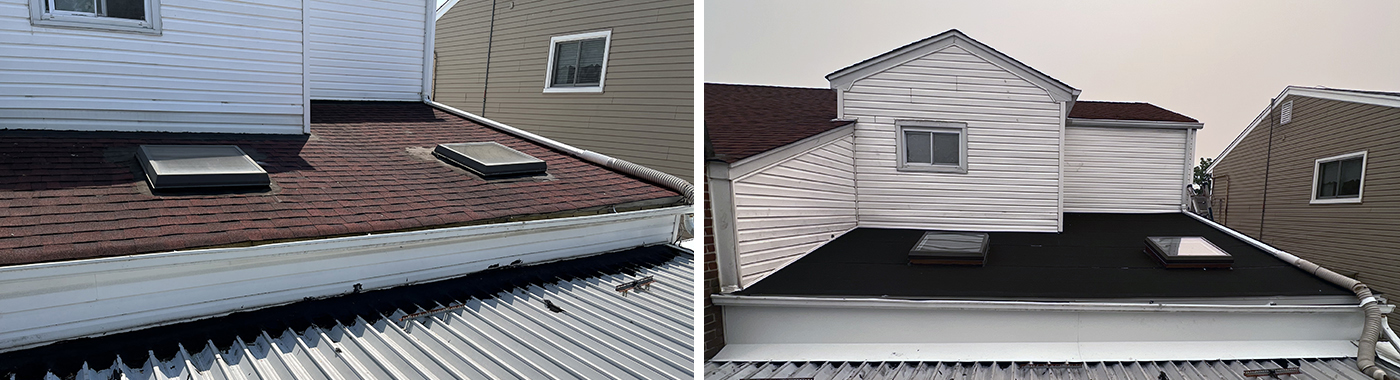
Before and after: An example of a low slope roof incorrectly shingled (left), and the same roof redone by Clearview with the appropriate flat roofing materials (right).
Feniello notes that you can generally get away with using shingles on a roof with a 3:12 slope, but if it’s anything lower than that – anywhere from 2:12 to zero – then flat roofing is absolutely required. For more information on this, please click this link to read an in-depth article written by Chris Feniello himself on the subject.
As for what perpetuates the common misconception of using shingles on low-to-zero slope roofs, Feniello said one factor is a matter of pricing.
“Well, number one, flat roofing costs more than shingles. It’s more material and more labor. So traditionally, you’re paying a thousand or two thousand dollars more,” he said. “A homeowner doesn’t always know you should put a flat roof on a low pitch, but sometimes the homeowner is going to opt with the cheaper option, because a contractor is insisting it will be ‘fine.’ A common misconception that placing Ice and Water shield on the entire area below the shingles will be the proper solution. This is incorrect because the nail heads will still rust off and this will void the shingle manufacture warranty.”
When asked why this frequently happens, Feniello answered, “I would say it usually boils down to lack of education on the part of the contractor or roofer that’s providing the estimate. I wouldn’t necessarily say it’s intentional.”
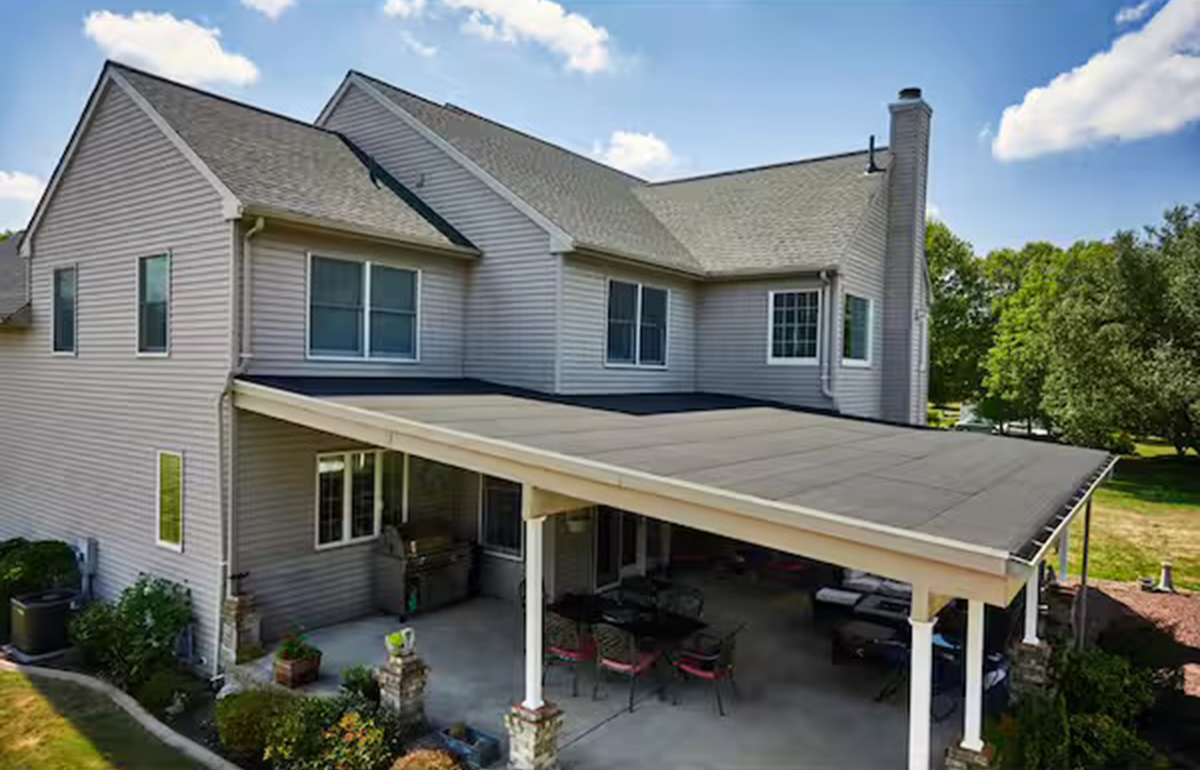
And when it comes to flat roofing materials, they typically consist of asphalt, although there has been an ongoing move in the industry in recent years towards different compositions of rubber, such as thermoplastic polyethylene; both are very effective at safeguarding low slope and flat roofs when it comes to both commercial and residential applications, Feniello pointed out.
“Rubber is being used a lot more often these days, but asphalt is still time-tested, proven, and normally cheaper, and we’ve had a lot of success with it,” he said. “But the industry changes, and new things come out, and you learn and adapt, so we offer both options to our customers.”
On average, flat roofing has an approximate 20-year life span, but to ensure you get the most out of your investment, routine upkeep is a must; to that end, Clearview offers five years of maintenance on the flat roofs that they install.
“Most homeowners don’t realize also that flat roofing requires maintenance,” Feniello said. “It’s not a ‘set it down and not worry about it for 20 years’ type of project, whether you have a commercial building or residential home. A flat roof does require maintenance, and you should have it inspected every couple of years. For example, leaves have to be taken out of the drains, because if the drain backs up, you can have a real problem.”
And yet another complication in Long Island’s complex roofing scene, Feniello said, is that there are construction, remodeling, and home improvement companies selling roofing that are not certified roofers, and most often they don’t carry roofing category insurance. This means they can still possess general liability and workers’ compensation to cover potential claims from accidents, injuries, and property damage related to their work, but if they don’t pay the higher premium for roofing, they aren’t covered by a roofing incident. If this home improvement, remodeling or construction company isn’t covered for roofing category insurance, a homeowner can be sued or be held liable by the injured despite otherwise being “fully licensed and insured.”
“You know, you could have home improvement insurance and be licensed and insured, but not carry roofing category insurance, which is more than 10 times the cost of general home improvement insurance,” he noted. “Clearview Roofing and Construction does indeed possess roofing category insurance, which is another thing that sets us apart.”
To find out more about Clearview Roofing and Construction, please call 631-262-7663 or visit their website at https://longislandroofs.com.