











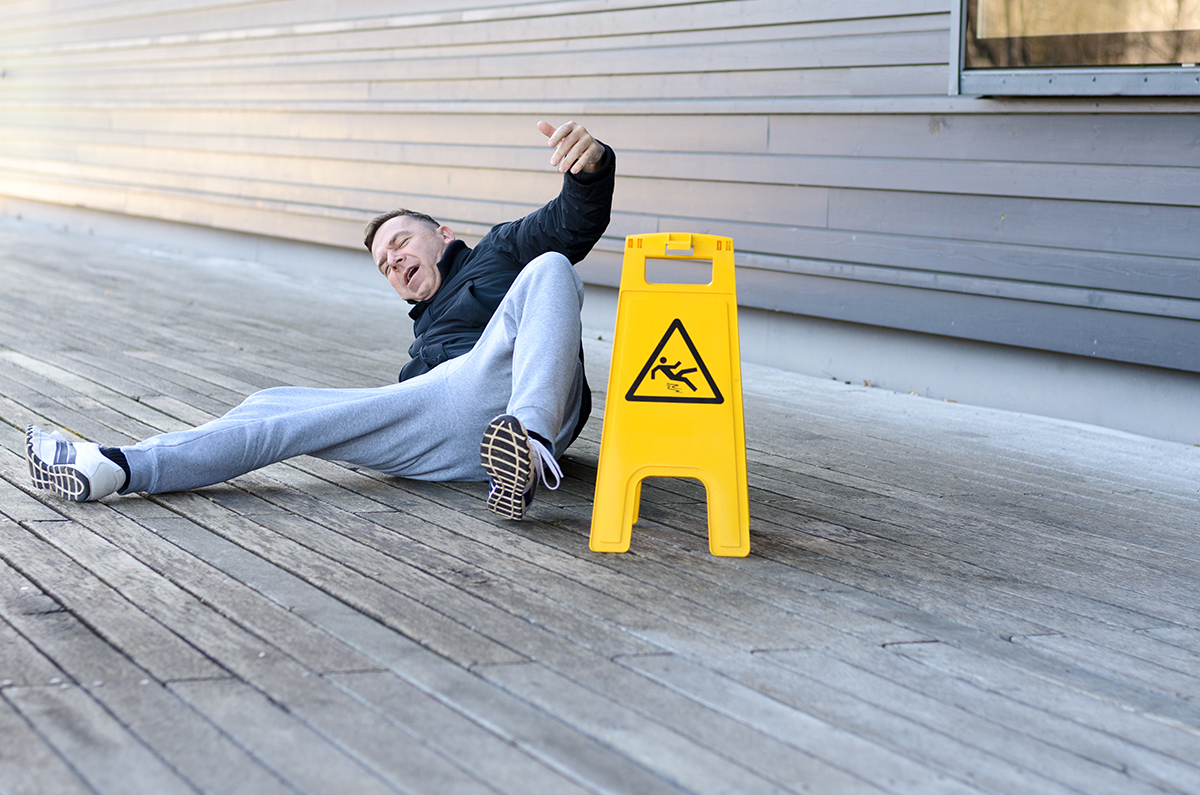
Picture yourself enjoying a sunset dinner at a Long Island waterfront restaurant. Waves lap against the dock, and a plate of fresh seafood sits in front of you. Suddenly, a slip on a wet deck disrupts the whole scene. Accidents like this occur often. They stem from conditions that make waterfront dining spots riskier than standard restaurants. Sea spray slicks up surfaces, and poor lighting near the water creates hazards that indoor places dodge.
Liability plays a big role in New York. State laws require property owners to maintain reasonable safety standards. Restaurant operators prevent big problems when they focus on safety. This guide explores common risks, the legal structure, methods to prove liability, particular challenges, prevention tips, and actions for those who experience a fall. Both patrons and owners gain from understanding these points.
Common Hazards at Long Island Waterfront Restaurants
Waterfront eateries on Long Island deliver stunning views of the Sound or the Atlantic. Yet these places come with built-in dangers that can turn a pleasant meal into a courtroom dispute.
Weather-Related Hazards
Foggy mornings or sudden rain showers create issues. Sea spray and downpours soak decks, making wooden surfaces dangerously slick. High humidity causes condensation puddles to form without warning. Winds blow in leaves, sand, or small waves, leaving hidden wet patches that surprise people.
Structural and Environmental Risks
The physical setup contributes to problems. Salt air corrodes docks and gangways over time, leading to uneven areas that trip pedestrians. Without regular maintenance, decking warps or splinters. Dim lighting near the water makes evening strolls hazardous. Transitions from indoor to outdoor spaces turn tricky without proper markings on shifting floor levels.
Seasonal Considerations
Different seasons bring their own risks. Summer crowds increase spills from drinks or food, and busy staff sometimes fail to clean them promptly. Winter storms coat walkways with ice. Hasty repairs after bad weather occasionally fall short. Nature often tips the scales against safe conditions.
A slip on black ice near the water can lead to severe injuries.
Legal Framework for Waterfront Restaurant Liability
Premises Liability Basics in New York
New York law requires restaurant owners to keep their properties safe for visitors. Guests count as invitees who deserve a high level of protection. Owners identify dangers, fix them, or warn about them. Statutes support negligence lawsuits if owners disregard known or foreseeable threats. Injured parties win when they show that owners had notice.
Special Considerations for Waterfront Properties
Locations by the water add extra layers. Falls close to navigable waters sometimes invoke maritime laws, shifting cases to federal courts. The New York State Department of Environmental Conservation enforces rules on erosion control and safety standards. Businesses typically hold marine insurance policies, but gaps in coverage complicate claims.
Burden of Proof Requirements
Plaintiffs prove negligence by linking hazards directly to falls. They support claims with photos or witness accounts. Natural elements often make this process harder.
Establishing Liability in Waterfront Slip and Fall Cases
Key Elements to Prove Negligence
Plaintiffs succeed in cases by showing that restaurants knew about hazards—or should have discovered them through regular inspections—and failed to act. The absence of signs warning about wet decks during rain bolsters these arguments. The New York Court of Appeals ruled in Gordon v. American Museum of Natural History that owners respond promptly to known problems.
Common Defense Strategies
Defendants often raise certain arguments. They claim that patrons contributed to the fault, such as by walking while distracted on a phone. Obvious hazards sometimes allow owners to invoke the open and obvious doctrine. Storms occasionally serve as a defense, portrayed as acts of nature. Courts reject this approach when maintenance proves inadequate.
Evidence Collection and Preservation
Injured parties gather incident reports, witness statements, weather data, and photos right away. Maintenance logs expose neglected inspections. People preserve all materials to strengthen their cases.
Wind and waves erase evidence quickly at outdoor locations.
Challenges in Waterfront Restaurant Cases
Weather as a Contributing Factor
Distinguishing natural moisture from artificial sources like leaking roofs presents difficulties. Outdoor diners expect some exposure to the elements, but reasonable limits apply. Long Island’s humid summers render certain hazards foreseeable.
Multiple Jurisdiction Issues
Overlapping jurisdictions cause confusion. State regulations sometimes conflict with federal maritime standards, especially on piers overseen by the Coast Guard. Local ordinances in towns like Huntington or Southampton impose additional requirements.
Insurance Complications
Insurance policies frequently clash. Marine coverage excludes some incidents on land, leading to disputes between policy types. Third parties such as cleaning services sometimes share blame, which adds complexity.
These overlaps prolong claims in many instances.
Prevention Strategies for Restaurant Owners
Maintenance and Safety Protocols
Owners inspect walkways and decks regularly. They install drainage systems to manage water buildup and apply anti-slip treatments. Weather-resistant materials hold up better against the elements.
Staff Training and Response Procedures
Workers train to handle spills quickly and monitor approaching storms. They close off areas during severe weather. Effective incident reporting systems help track issues.
Legal Compliance Measures
Owners adhere to building codes for structures near water and satisfy ADA guidelines with accessible ramps on docks. They review insurance policies annually. Investing in prevention saves more than facing lawsuits.
Seeking Legal Recourse: Steps for Injured Patrons
Injured people seek medical attention immediately and document their injuries thoroughly. They photograph the scene, collect witness information, and submit incident reports on site. New York imposes strict timelines, such as 90-day notice periods for claims against public entities.
Lawyers experienced in waterfront liability cases offer valuable guidance. The Law Office of Jason Tenenbaum, P.C. handles personal injury matters and deals with similar situations on Long Island.
Compensation covers medical expenses, lost wages, pain and suffering, and long-term disabilities. Detailed records boost recovery amounts. Settlements conclude matters swiftly without court involvement, while trials yield larger payouts with strong evidence. Insurance factors influence decisions. Mediation offers a faster, less stressful alternative.
Waterfront dining should highlight enjoyment over accidents. Awareness keeps everyone safer.